Uber is steadily building an ad business alongside rides and deliveries. Its latest move is Uber Intelligence, an insights platform that turns trip and takeout data into a planning and measurement input for brands that run campaigns on the Uber platform.
The idea is simple. Instead of relying only on clicks or broad demographic profiles, marketers can learn from patterns in how people move, commute, and order food in the real world. In a market with fewer third party signals and rising acquisition costs, that is an interesting development, but it also raises questions about use, value, and privacy.
What Uber Intelligence actually does
Uber Intelligence sits on top of Uber’s apps and is built with LiveRamp’s clean room technology. Advertisers bring their own customer data into a secure environment, where it is matched with aggregated Uber trip and order data. Both sides work with anonymised outputs rather than raw personal information.
In practice, that might help a hotel brand understand which entertainment districts or restaurants are popular with its best guests, or help a retailer see where frequent store visitors also tend to travel and eat. A travel or entertainment brand could explore how often certain audience segments are heading to airports, stadiums, or venues.
These are not entirely new questions for marketers, but they are being asked of a different dataset. Instead of web browsing or purchase logs alone, Uber is offering a view on movement and habit across a city or region.

From insights to media activation
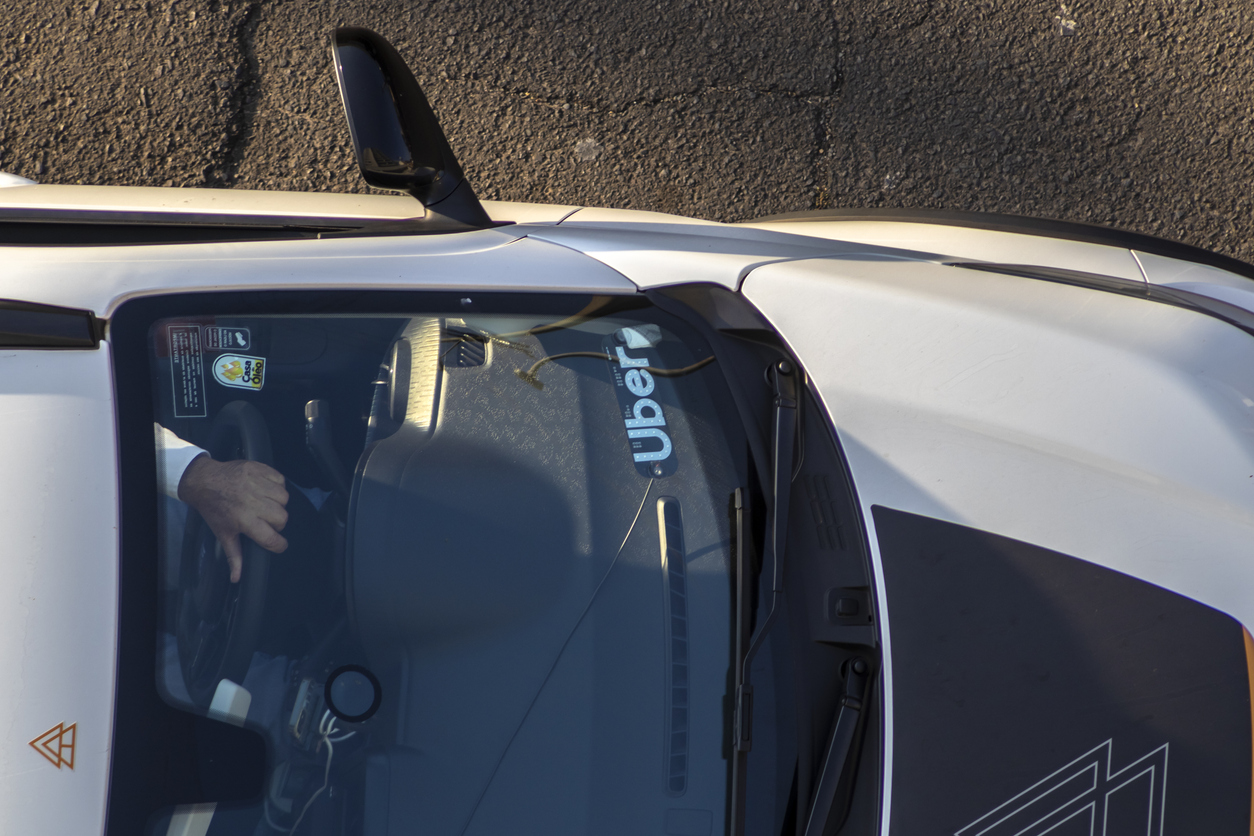
Uber already sells ads in the Uber and Uber Eats apps, on in car tablets, in emails, and on car tops. The company has said that this business is on track for roughly 1.5 billion dollars in revenue this year, although it does not break out a detailed line item.
Uber Intelligence is meant to link that inventory to more specific audiences. Segments identified in the clean room, such as heavy business travelers or frequent late night delivery users, can be targeted in the app or inside vehicles.
For some brands, that may offer a more contextual alternative to generic display buying. For others, it may simply be another walled garden to test alongside search, social, and retail media.
Where the value and the limits are
Mobility and delivery data could help sharpen audience planning, local partnership decisions, and some elements of measurement. It may be particularly relevant for categories such as hospitality, quick service restaurants, retail, and entertainment, where geography and habit matter.
At the same time, there are clear limits. Uber’s user base is not the whole market, and mobility patterns skew toward certain demographics and locations. The data is aggregated for privacy reasons, which is important, but it also means insight quality will vary by segment and region.
There is also the question of comfort. Movement and order histories are sensitive, even when anonymised. Brands using this type of data will need clear internal standards around consent, transparency, and what they consider acceptable use, especially as regulators pay more attention to first party data practices.
What marketers should do next
For now, Uber Intelligence is best seen as one more signal in a wider toolkit. It may be worth testing as a way to enrich planning and learn how real world behavior lines up with existing audience assumptions. It should sit alongside, not replace, broader channels such as TV, streaming, social, and retail media.
If you want to stay on top of how plays like Uber Intelligence, retail media growth, and creator spend are reshaping marketing, keep an eye on ClickZ. We will continue to track the shifts that matter for modern media and measurement.

Leave a Reply
You must be logged in to post a comment.